
- EN
- DE

Artifacts
Plasmodium Species

- Organ System
- Blood & Bone Marrow
- Diagnostic Method
- Cytology
- Geographical Region
- Tropical and Subtropical Region,
- Temperate Zone
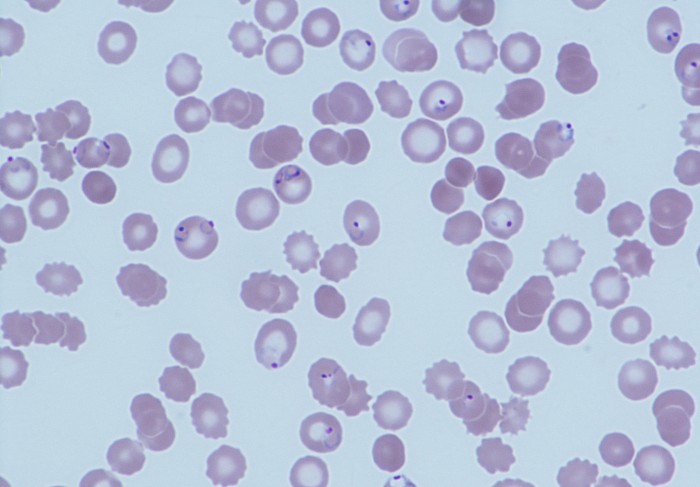
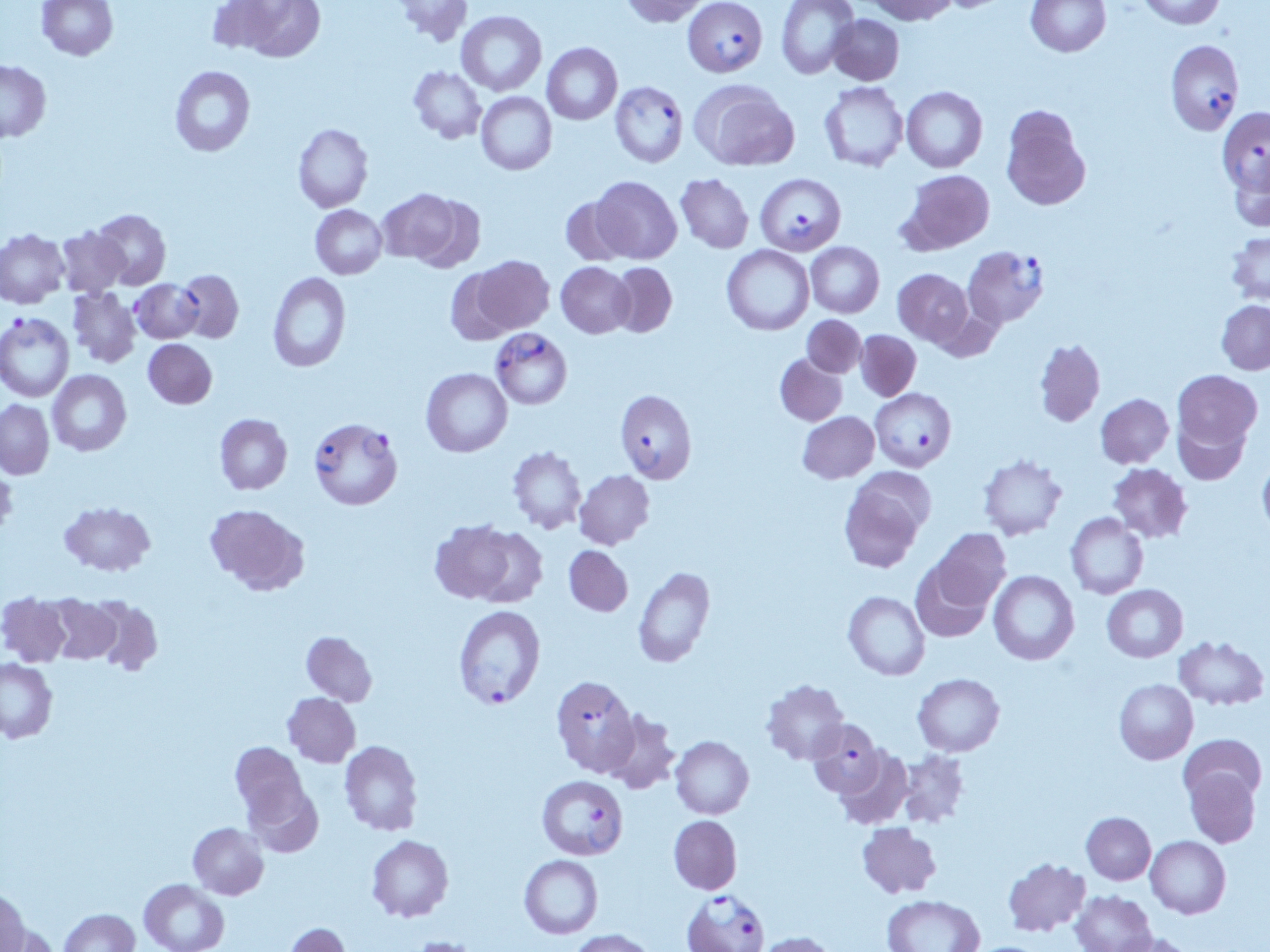 Blood, red blood cells with ring-shaped…
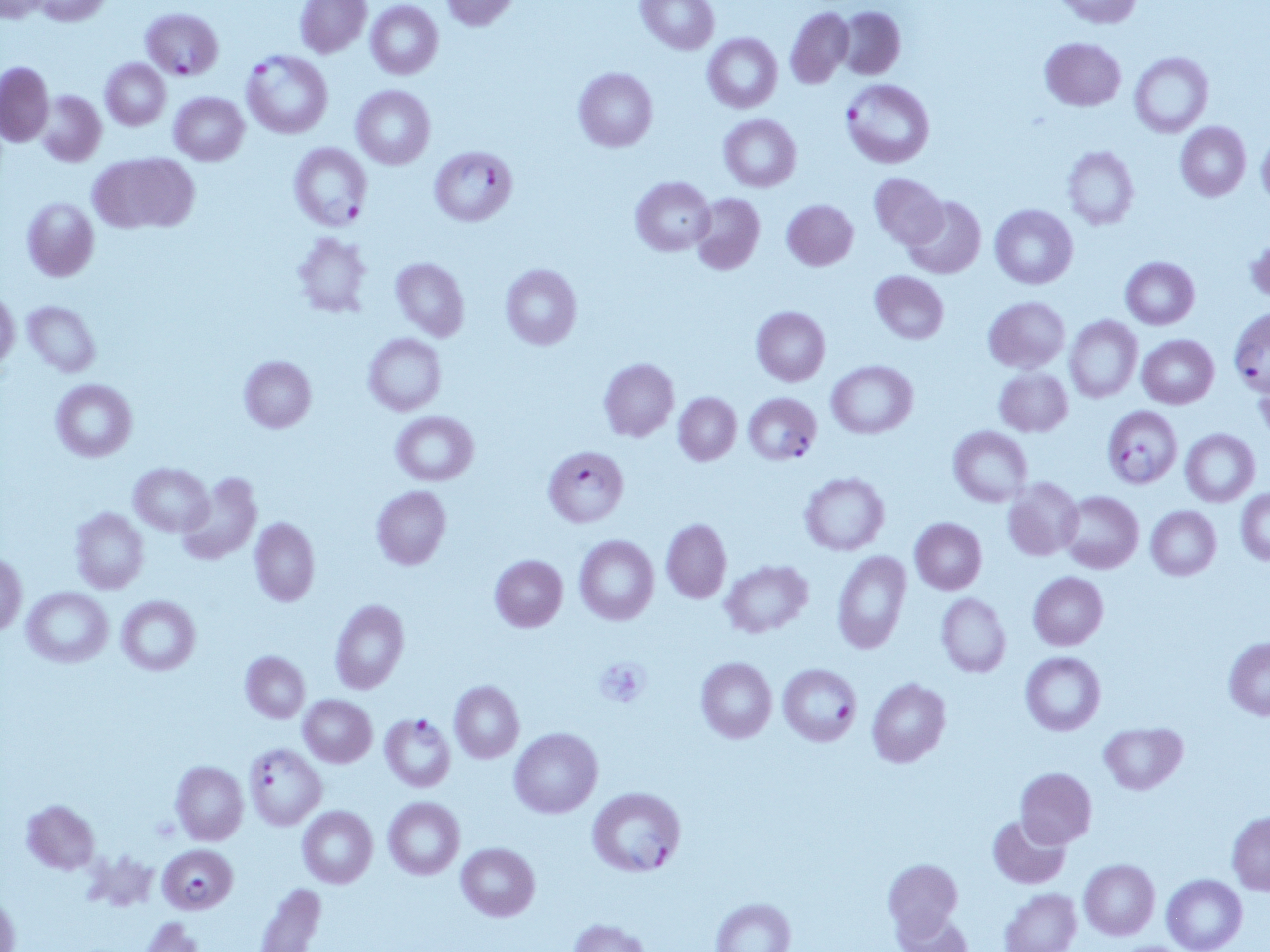 Blood, red blood cells with ring-shaped…
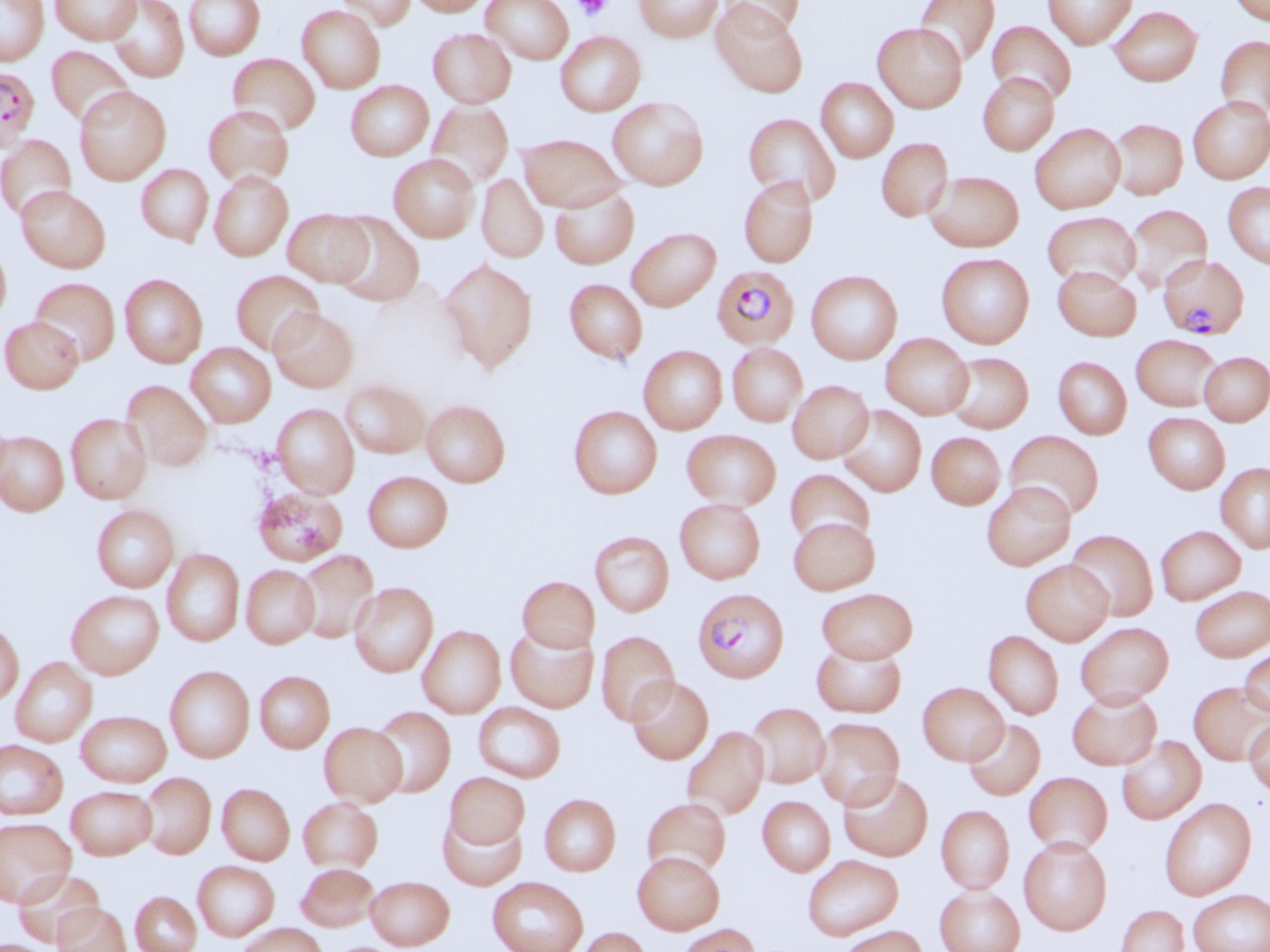 Blood, red blood cells with ring-shaped…
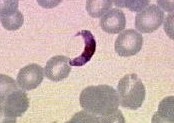 Blood, erythrocytes, crescent-shaped…
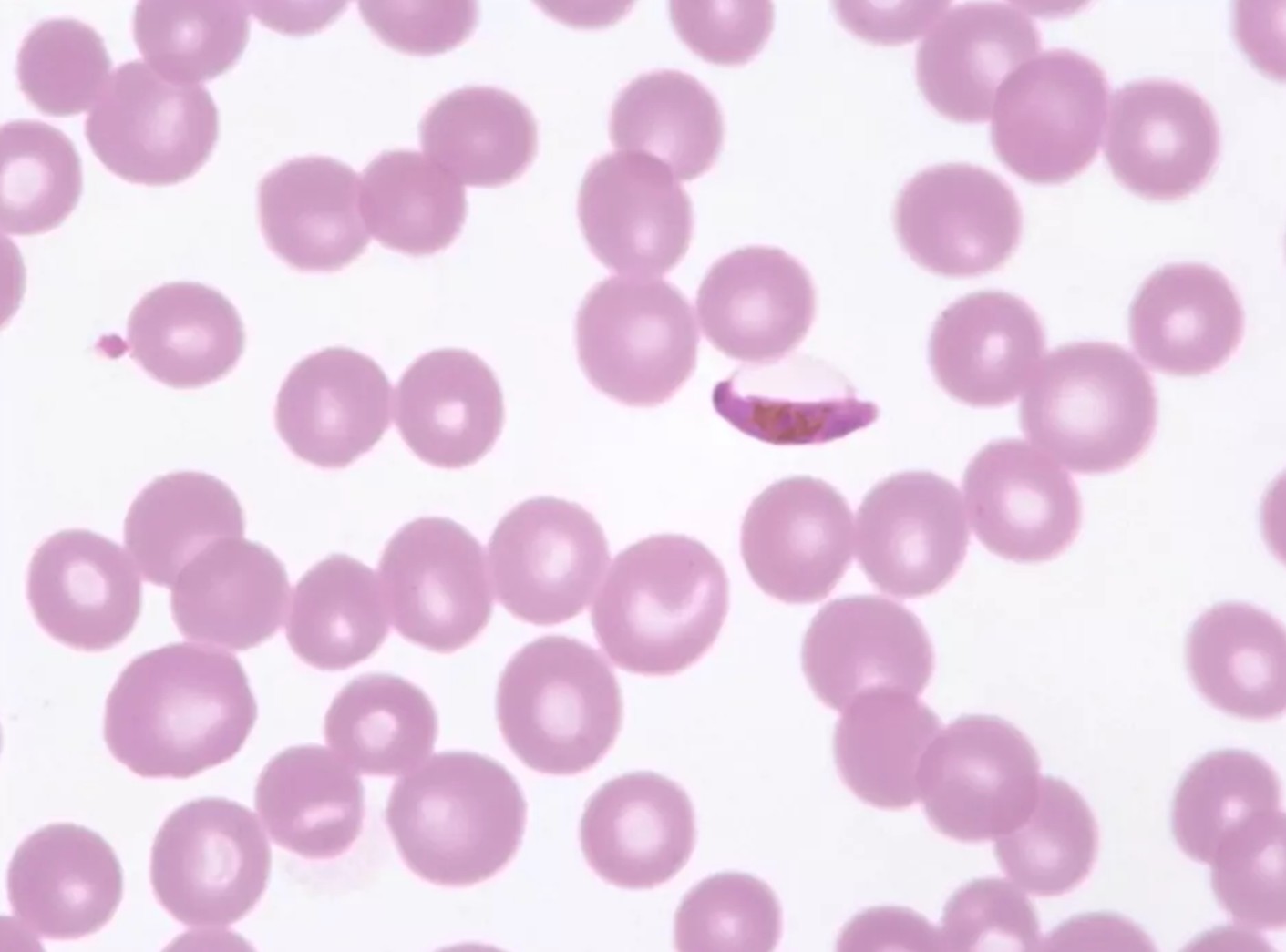 Blood, erythrocytes, crescent-shaped…
Morphology
Cytology:
Giemsa-stained thick and thin blood films (microscopic gold standard) showing different developmental stages of the parasite: intraerythrocytic ring forms with chromatin dot(s), mature trophozoites with intracytoplasmic hemozoin (a product of hemoglobin digestion by the parasite), schizonts with multiple merozoites and pigment, as well as gametocytes. Differentiation of individual species by light microscopy can be difficult; however, distinguishing P. falciparum from non-falciparum species is often possible (1).
Characteristic features include crescent- to sausage-shaped gametocytes in Plasmodium falciparum and Schüffner’s stippling in enlarged erythrocytes in P. vivax and P. ovale. Species-specific features include multiple ring forms, double chromatin dots, and appliqué forms in P. falciparum; band-form trophozoites and rosette-shaped schizonts in P. malariae.
The thick blood film is more sensitive for parasite detection, whereas the thin blood film facilitates species identification and quantification of parasitemia. If the initial blood film is negative but clinical suspicion persists, thick and thin blood films should be repeated every 12 to 24 hours, up to three times in total.
Malarial pigment (hemozoin) may also be detected in monocytes and neutrophils.
Histology:
Particularly in P. falciparum infection, sequestration of parasitized erythrocytes in capillaries and venules, hemozoin-laden macrophages, and congestion. In the placenta, intervillous accumulation of parasitized erythrocytes with pigment deposition.
Differential Diagnosis:
- Babesia without hemozoin, sometimes with pleomorphic ring forms and tetrads (Maltese cross)
- Bartonella bacilliformis shows fine intraerythrocytic coccoid to bacillary structures without typical ring forms and without hemozoin
- Artifacts, overlying platelets with pseudoring forms, and Howell-Jolly bodies (small DNA-containing nuclear remnants in erythrocytes) should also be considered
Clinical notes
Febrile hemolytic illness is commonly associated with anemia and thrombocytopenia. Severe malaria may be complicated by metabolic acidosis, acute kidney injury, ARDS, and cerebral malaria.
During pregnancy, there is an increased risk of maternal anemia, preterm birth, low birth weight, congenital infection, and perinatal loss.
Ancillary Testing
Rapid antigen tests (HRP2, pLDH) with known limitations; PCR for species confirmation and low-level parasitemia; placental smearsAdditional Information
Transmission occurs predominantly in tropical and subtropical regions; in Europe, nearly all cases are imported, while autochthonous cases remain rare.
Congenital transmission as well as transmission through blood transfusion or organ transplantation is possible, but rare.
HRP2-based rapid diagnostic tests may yield false-negative results in P. falciparum cases with pfhrp2/3 deletions (2).
References
ElShewy K. Medical Parasitology: A Body System Approach. Springer, 2024.
- Mehlhorn, H. (2023). Human Parasites: Diagnosis, Treatment, Prevention (2nd ed.). Springer.
- World Health Organization. Response plan to pfhrp2 gene deletions. 2nd ed. Geneva: World Health Organization; 2024