
- EN
- DE

Fungi
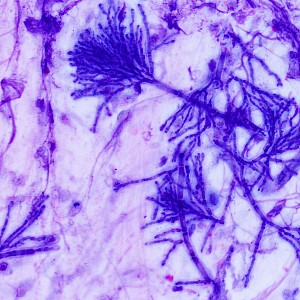
Differential Diagnosis of Aspergillus species and "Aspergillus-like" fungi:
Candida Species

- Organ System
- Digestive Tract, Skin and Mucosa, Genitourinary Tract
- Diagnostic Method
- Cytology, Histology, Microbiological Culture
- Geographical Region
- Dry Areas,
- Islands,
- Tropical and Subtropical Region,
- Polar and Subpolar Zone,
- Temperate Zone
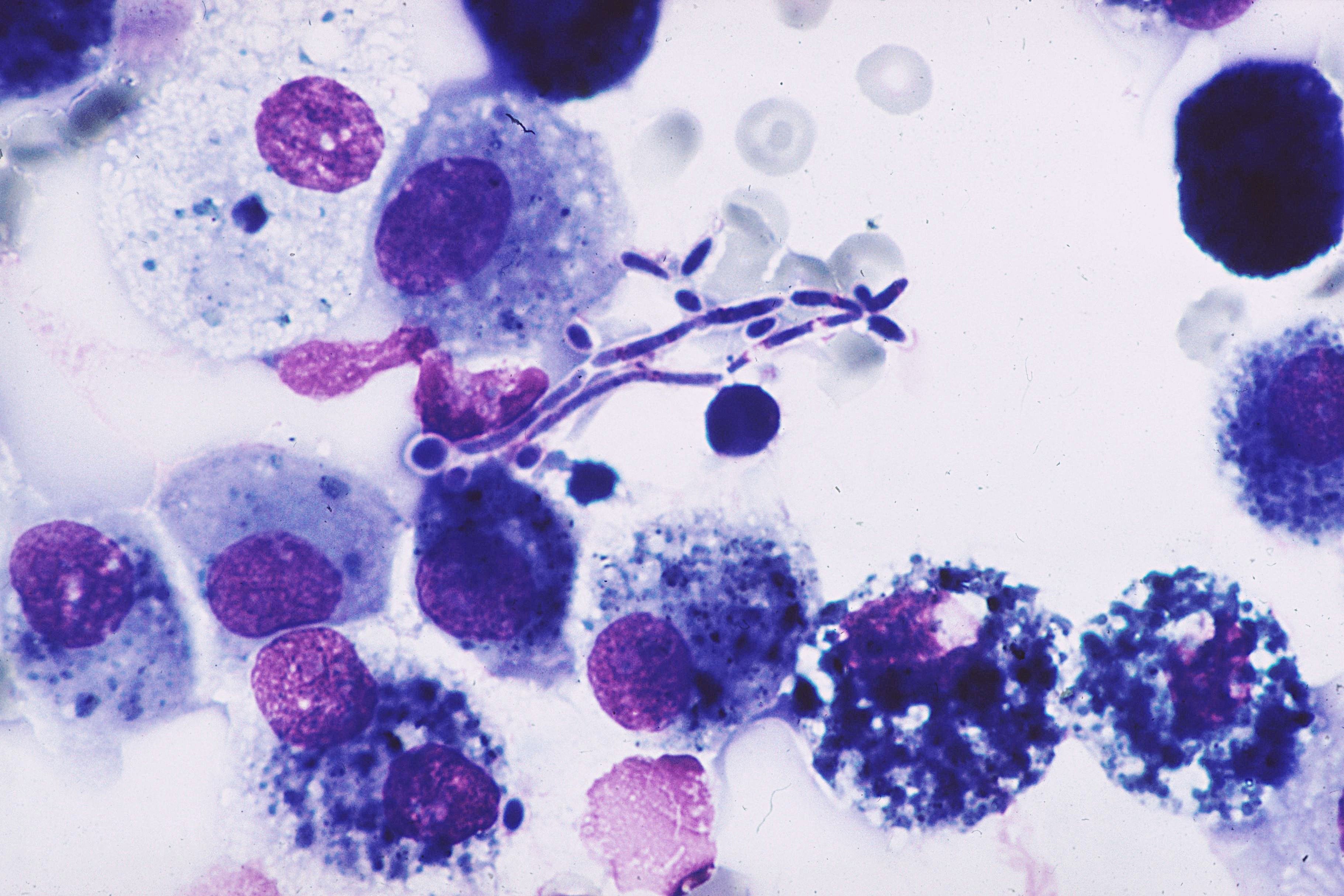 BAL, pseudohyphae with constrictions…
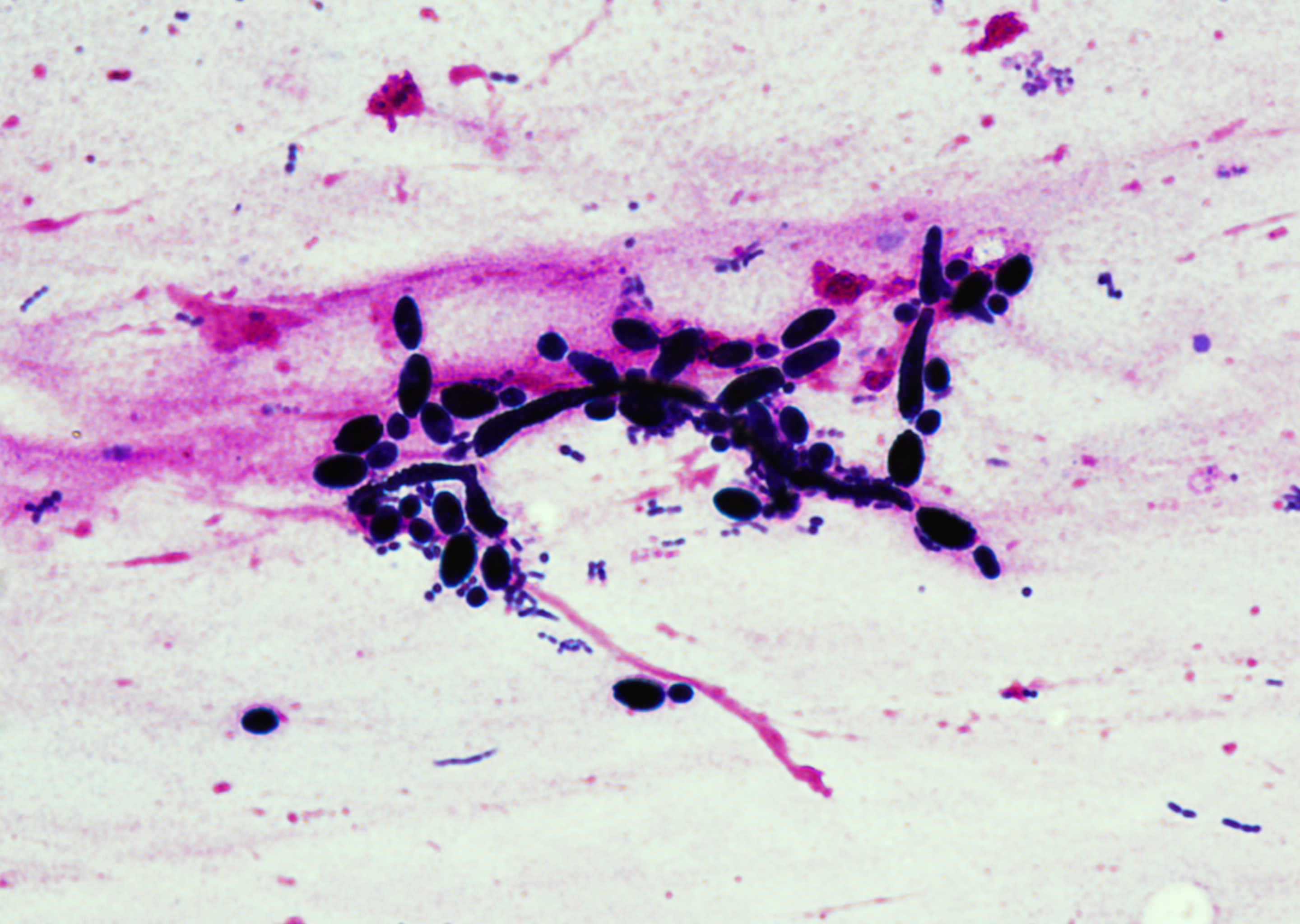 Sputum, "segmented" pseudohyphae, budding…
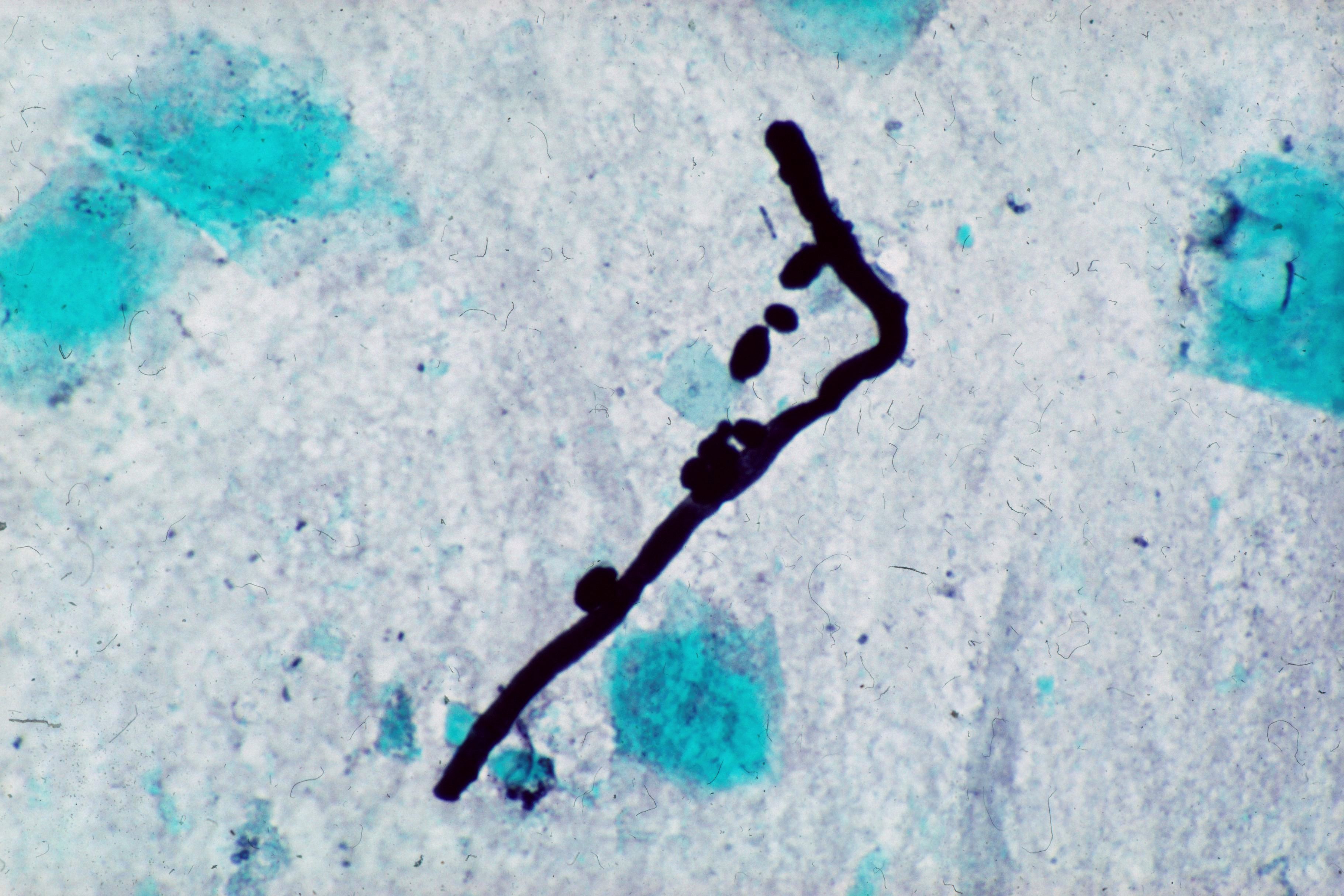 Sputum, pseudohypha and budding yeast cells…
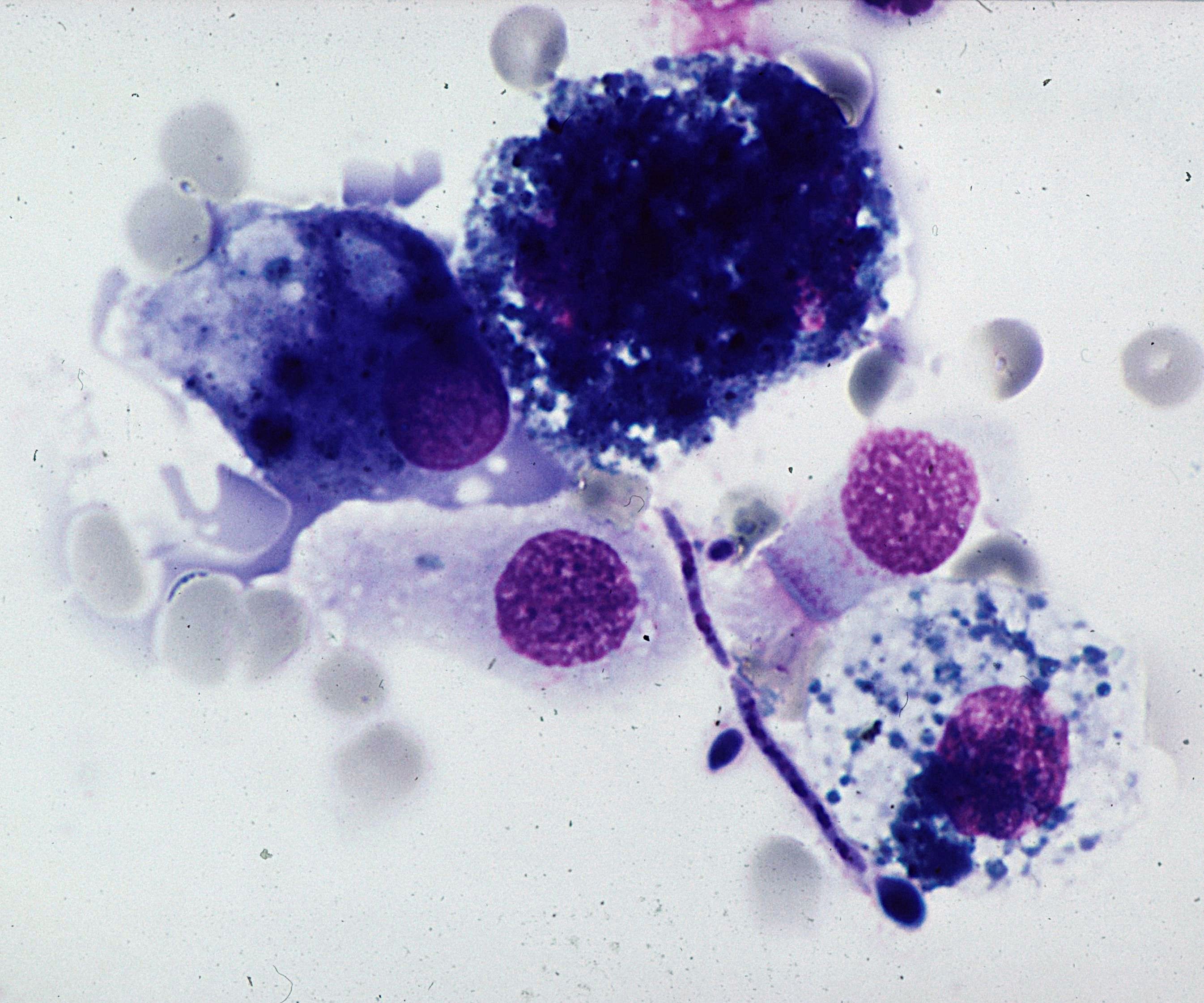 BAL, "segmented" pseudohypha, budding yeast…
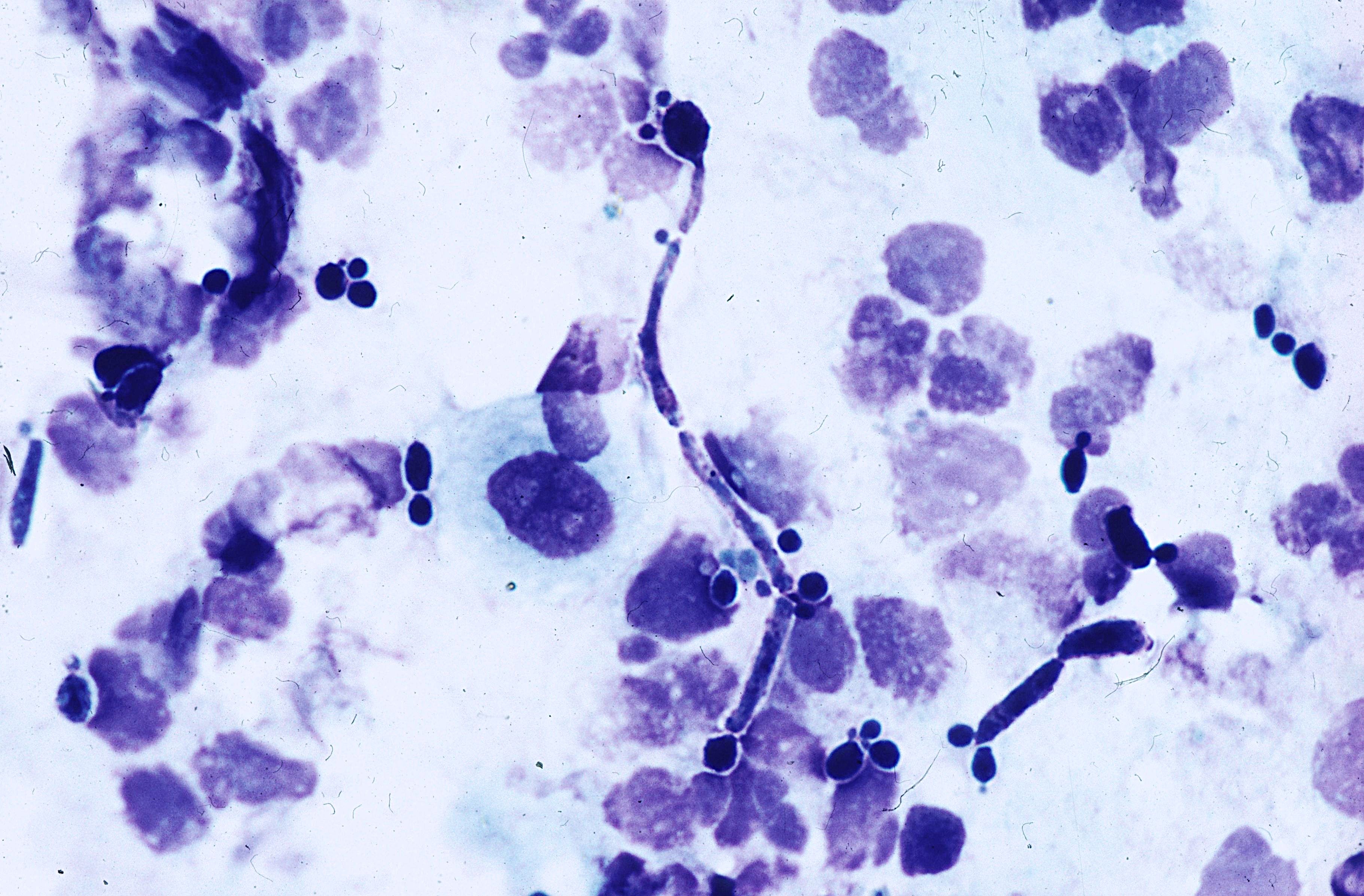 Oesophageal smear, esophagitis with…
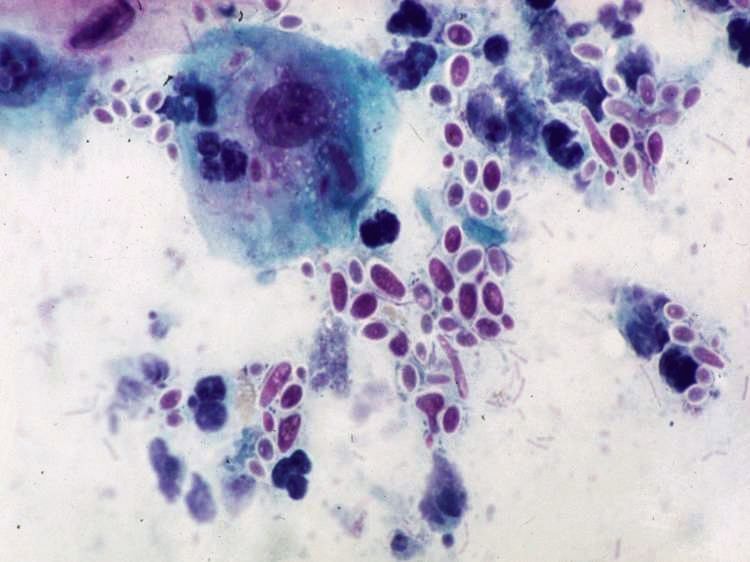 Oesophageal smear, oesophagitis with…
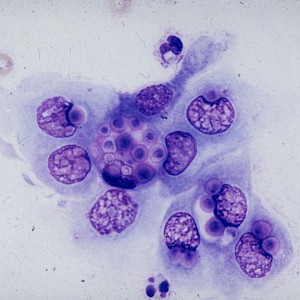
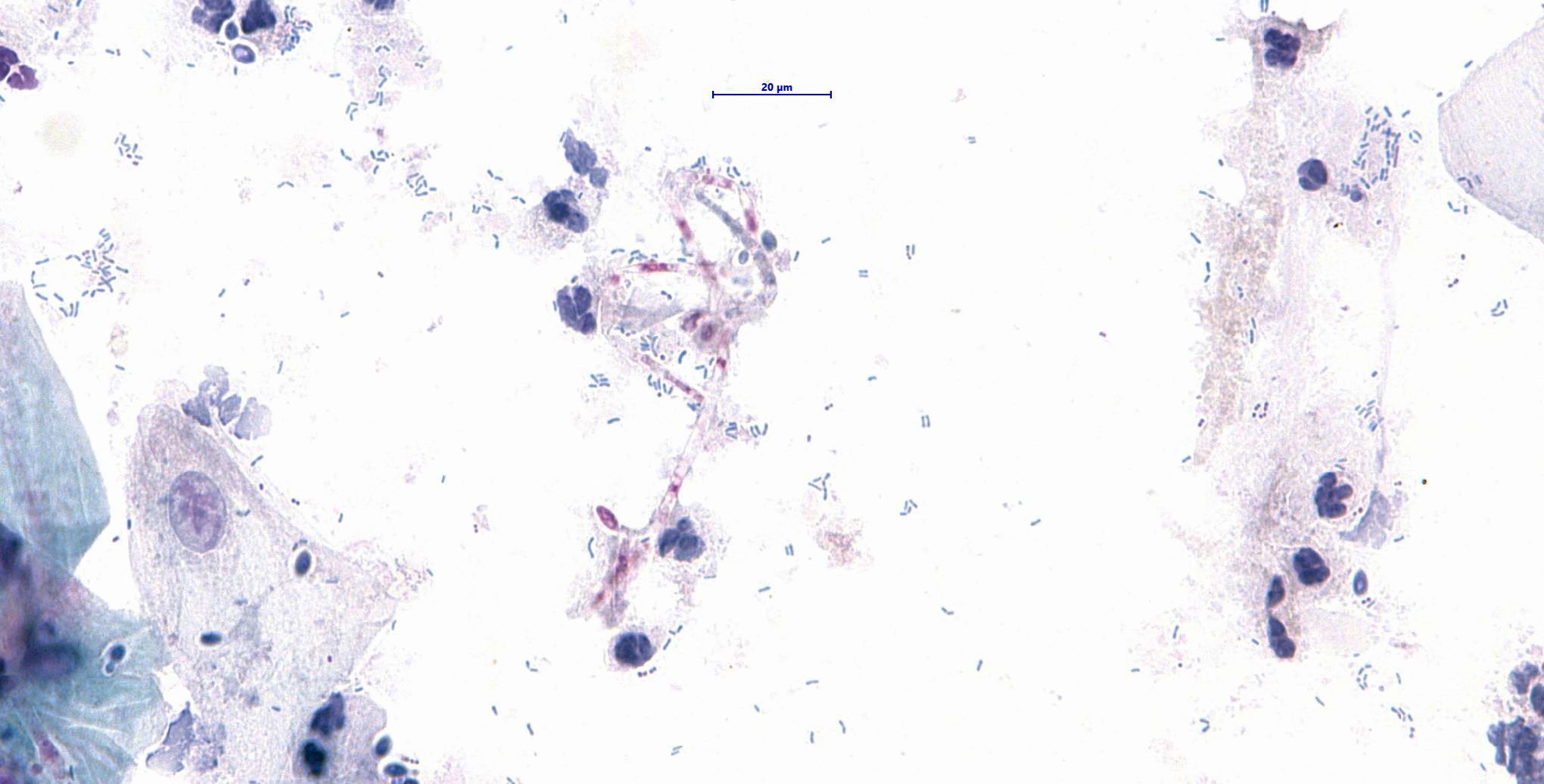 Cervical smear, intermediate- and…
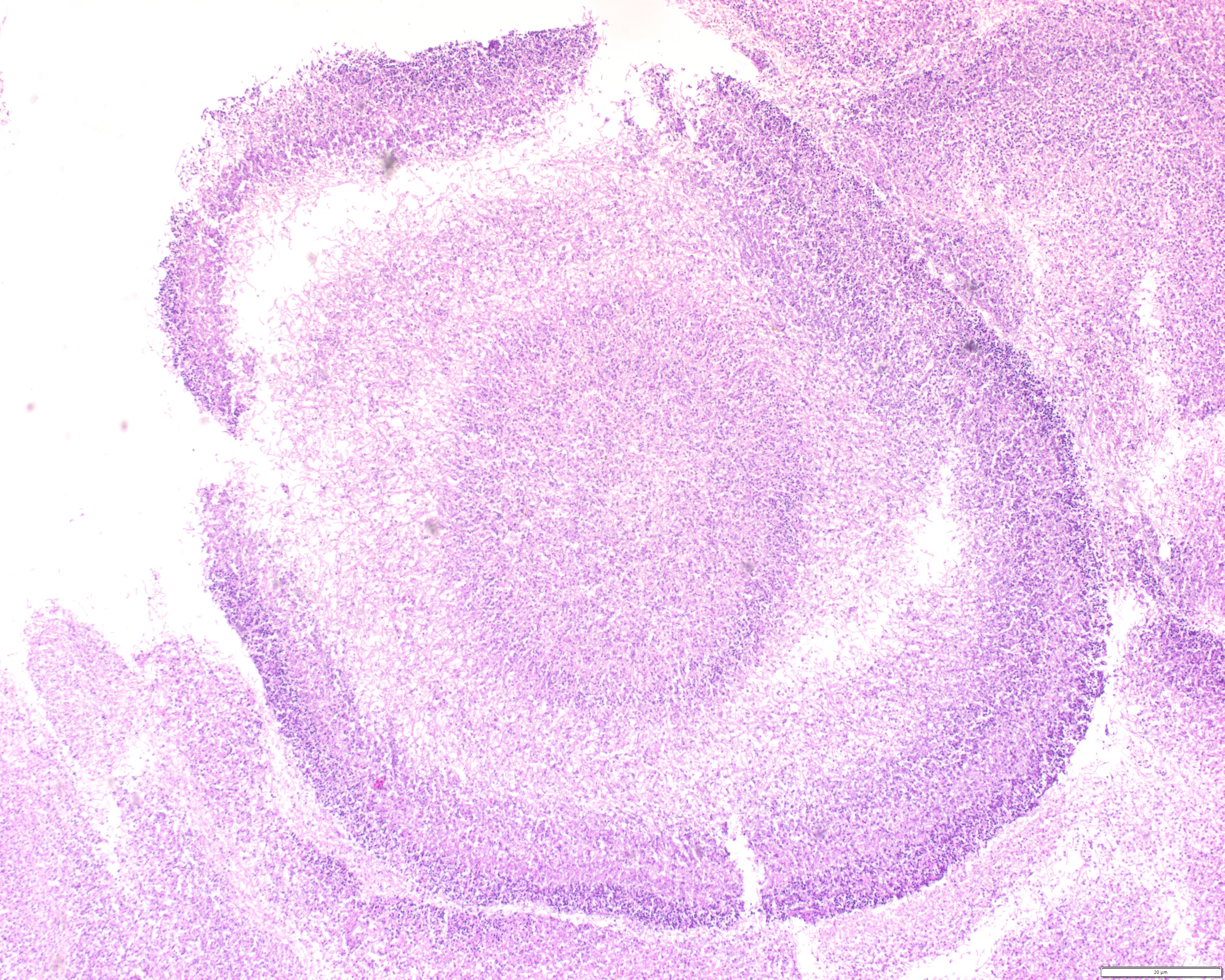 Cystoscopy, fungal ball (HE, x40)
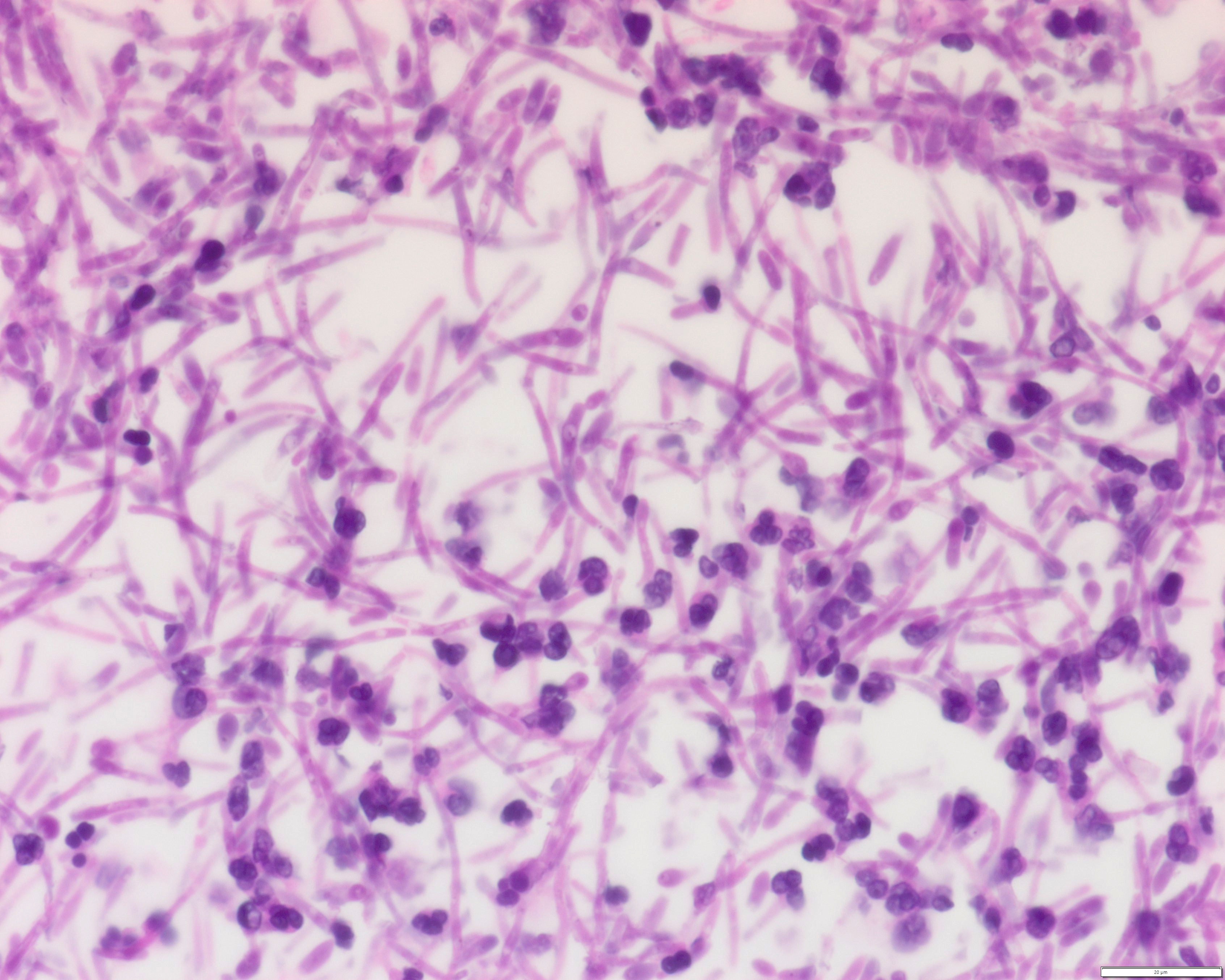 Cystoscopy, fungal ball, numerous…
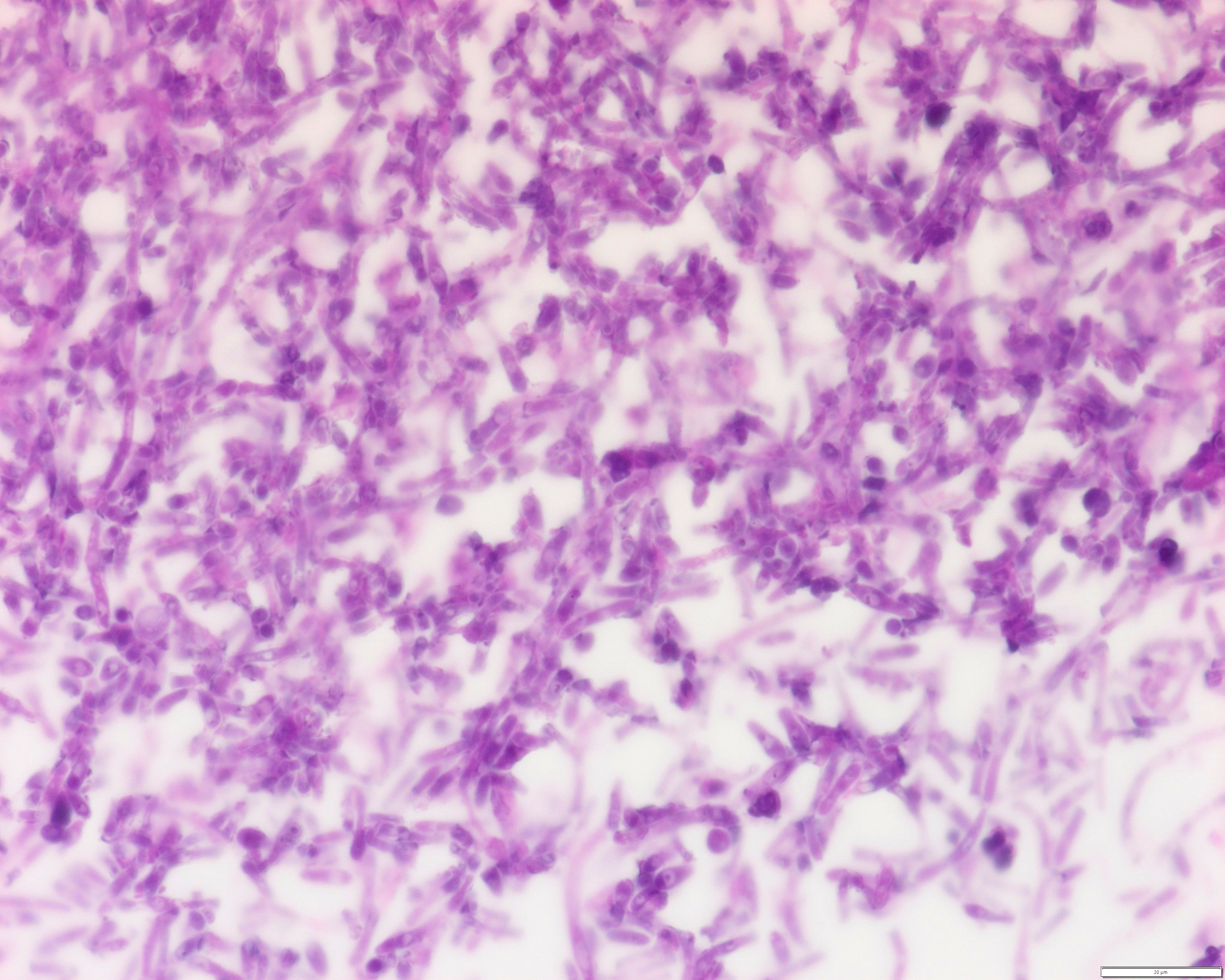 Cystoscopy, fungal ball, pseudohyphae…
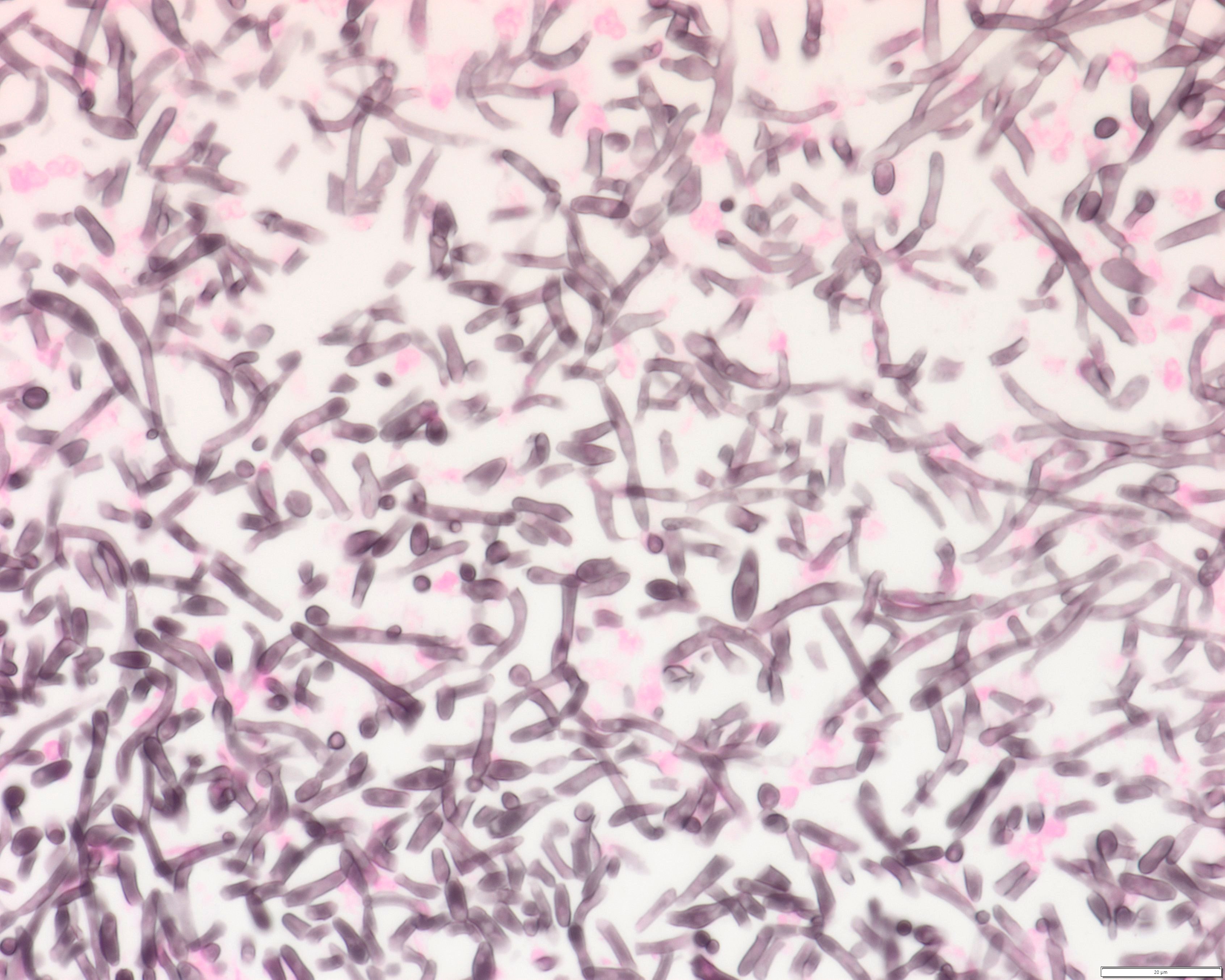 Cystoscopy, fungal ball, "segmented…
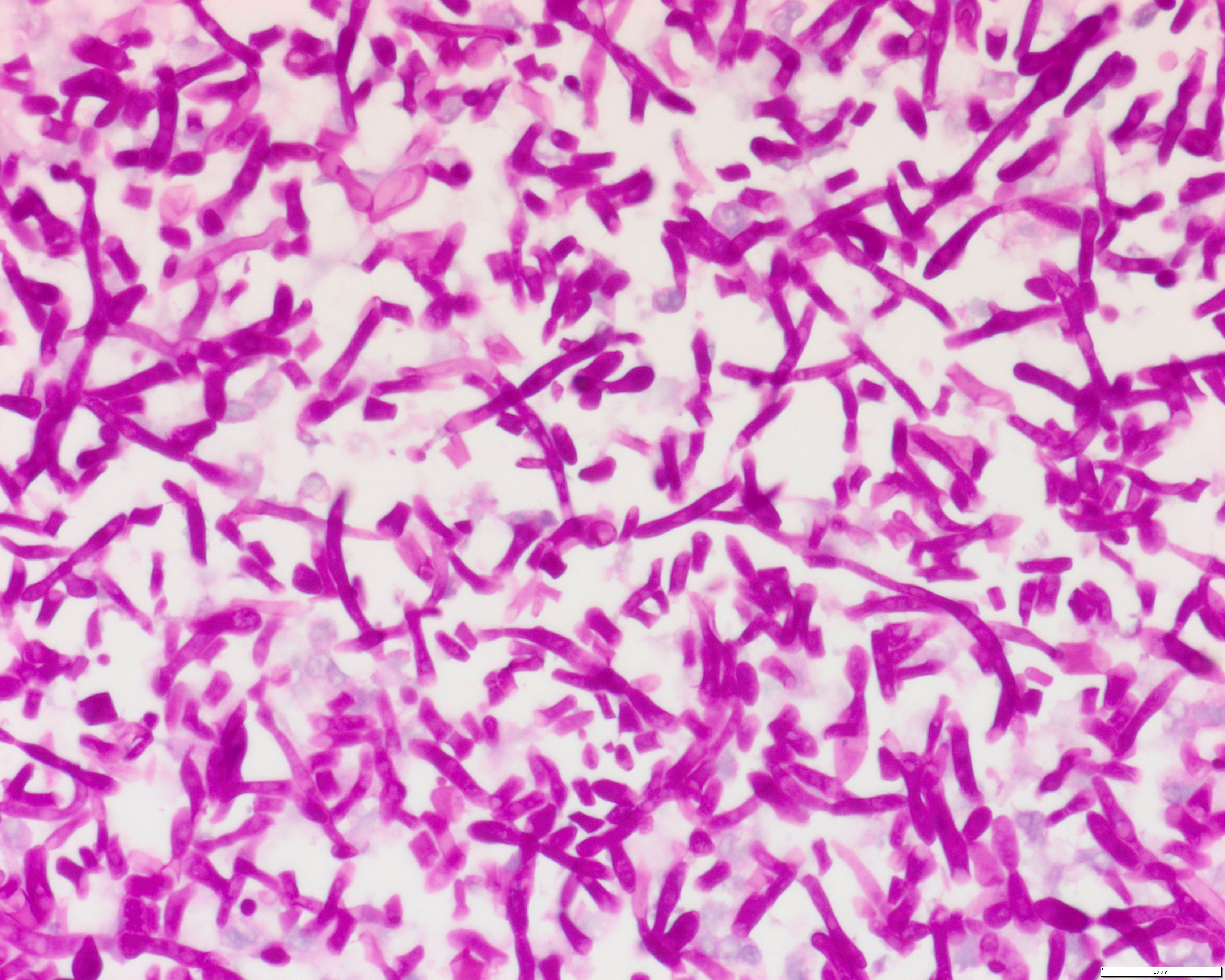 Cystoscopy, fungal ball, pseudohyphae (PAS…
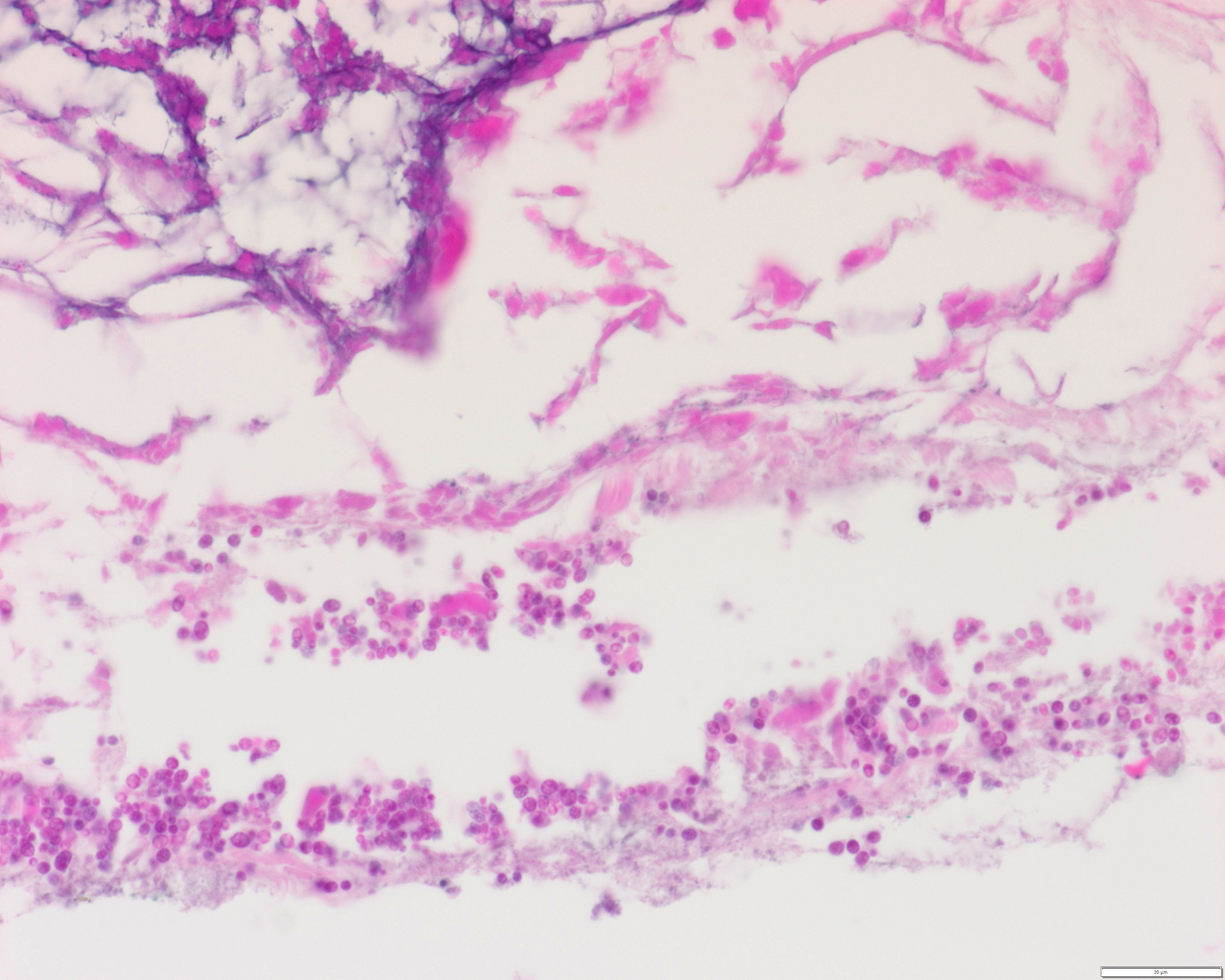 Omentectomy, fungal peritonitis after…
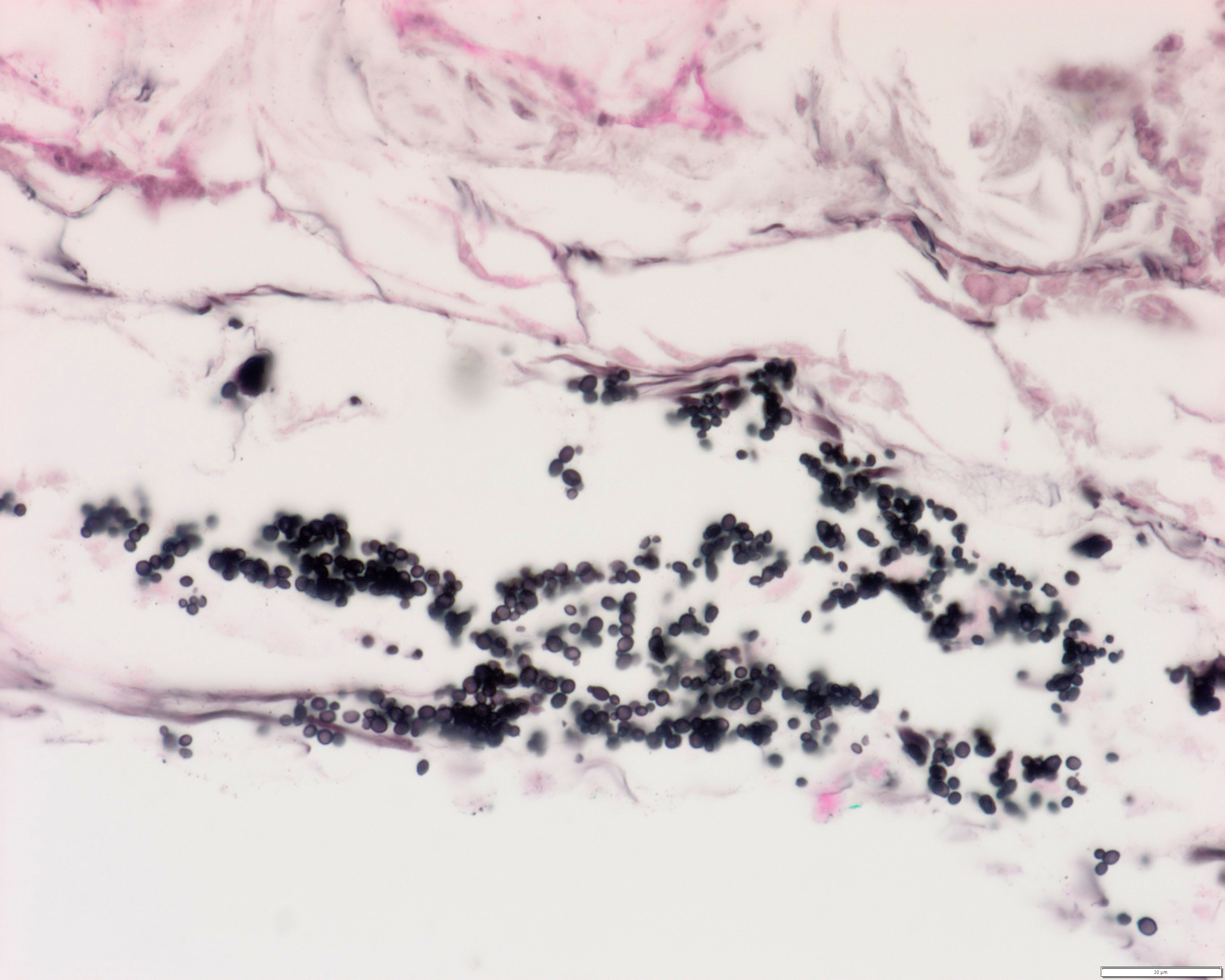 Omentectomy, fungal peritonitis after…
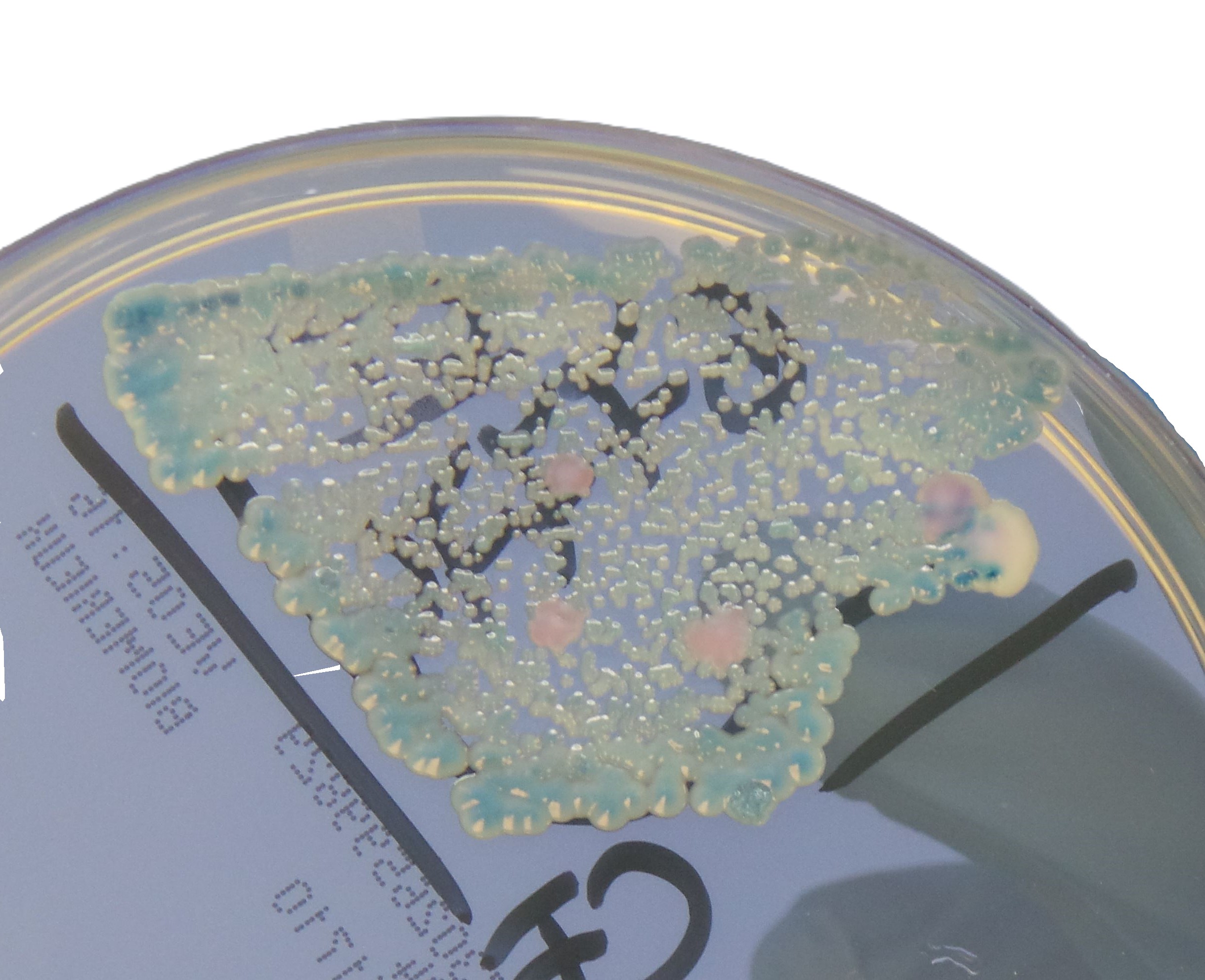 Sputum, chromogenic CAN2 agar, Candida…
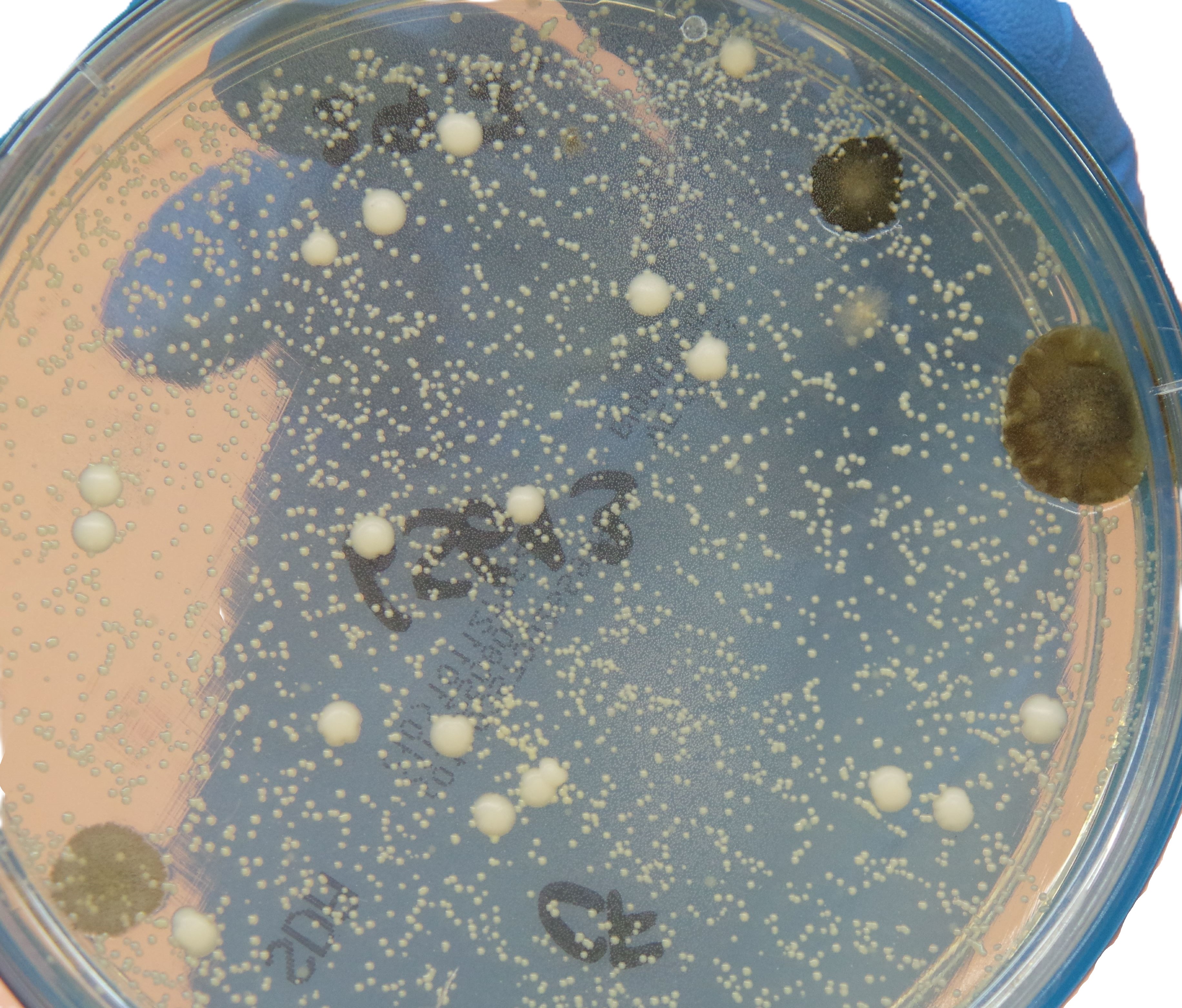 Sputum, mycological culture, SDA-Agar…
Morphology
Cytology:
- “Sticks and stones” appearance: pseudohyphae/ hyphae and yeasts
- Pseudohyphae have parallel side walls and constriction points.
- Gram-positive budding yeasts 3-6 µm
- Pseudohyphae and true hyphae vary by species. Candida albicans often shows true hyphae and pseudohyphae; Candida glabrata usually shows small blastoconidia without pseudohyphae.
- Neutrophils with intracellular yeasts are common in microabscess-forming purulent exudate.
- PAS and GMS positive.
Histology:
Yeasts, pseudohyphae and hyphae infiltrating epithelium or tissue with neutrophil-rich microabscesses. In angioinvasion, vascular thrombosis, and tissue necrosis.
Material-specific Notes: (1)
- BAL/sputum: Candida usually indicates colonization. Pulmonary Candida infection cannot be confirmed cytologically; tissue invasion in biopsy is required. Purulent background, intraneutrophilic yeasts, and absence of other plausible pathogens may support suspicion but remain nonspecific.
- Sterile aspirates/abscess material: Candida in tissue, vessel walls, abscess wall, or intracellular location supports infection.
- Urine: Extracellular yeasts without inflammatory exudate usually suggest colonization. Intraneutrophilic yeasts with pyuria may support suspicion of infection, but are not diagnostic. (2)
- Skin/mucosa: Superficial Candida without microabscesses favors colonization. Penetrating pseudohyphae/hyphae with neutrophil-rich inflammation support infection.
Clinical correlation is essential, especially in immunocompromised patients.
Clinical notes
- Common clinical manifestations include oropharyngeal thrush, oesophagitis, vulvovaginal candidiasis, catheter-related candidemia, intra-abdominal candidiasis after perforation or surgery, and candiduria, which often represents colonization.
- Risk factors include broad-spectrum antibiotic exposure, diabetes, neutropenia, ICU stay, central venous catheters, and total parenteral nutrition.
- Candida glabrata has the potential to induce clinically significant vulvovaginitis and frequently demonstrates resistance to a broad spectrum of non‑prescription antifungal agents commonly employed in the management of candidiasis
Ancillary Testing
Chromogenic medium; MALDI-TOF; targeted PCR where available; blood cultures for candidemia; serum beta-D-glucan as adjunct; antifungal susceptibility testing for echinocandins and azoles, especially for C. glabrata and C. auris.Additional Information
Frequent colonizer of sputum, oropharynx, vagina, skin, and urine.
The most common involved humanpathogenic species of Candida spp.:
-C. albicans
-C. glabrata
-C. parapsilosis-Komplex
-C. tropicalis
-C. krusei
-C. dubliniensis
-C. auris
-C. lusitaniae
-C. guilliermondii
-C. kefyr
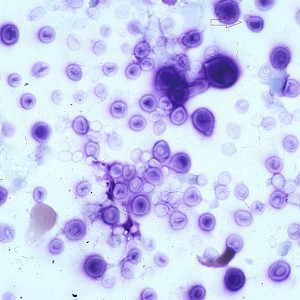
Differential Diagnosis
References
- Peter G. Pappas, Carol A. Kauffman, David R. Andes, Cornelius J. Clancy, Kieren A. Marr, Luis Ostrosky-Zeichner, Annette C. Reboli, Mindy G. Schuster, Jose A. Vazquez, Thomas J. Walsh, Theoklis E. Zaoutis, Jack D. Sobel, Clinical Practice Guideline for the Management of Candidiasis: 2016 Update by the Infectious Diseases Society of America, Clinical Infectious Diseases, Volume 62, Issue 4, 15 February 2016, Pages e1-e50, https://doi.org/10.1093/cid/civ933
- Carol A. Kauffman, John F. Fisher, Jack D. Sobel, Cheryl A. Newman, Candida Urinary Tract Infections-Diagnosis, Clinical Infectious Diseases, Volume 52, Issue suppl_6, May 2011, Pages S452-S456, https://doi.org/10.1093/cid/cir111
Copyright ® 2025 Österreichische Gesellschaft für Zytologie